How to Sell Your Independent Pharmacy
File buy or operating sale: who's buying independent pharmacies, what each pays, and what has to transfer before you close.
An independent pharmacy sells one of two ways. A chain or a larger independent buys your prescription files and closes your store, paying a price per script or a percentage of annual Rx revenue plus inventory. Or an operator buys the pharmacy as a going concern, paying a multiple of earnings plus inventory. In 2026 the file buyers are still active, the regional independents and PE-backed pharmacy groups are the ones paying for a store that stays open, and the thing that decides which you are is your payer mix and whether the store makes money after reimbursement.
The Independent Pharmacy Market for Sellers
File buyers. The chains and some larger independents will buy your prescription files, transfer your patients to one of their locations, and close your store. It is the fastest, simplest exit, and for a store with thin margins and a lease you want out of, it is often the best one. The price is based on script volume and the mix of brand and generic, with inventory bought separately at cost less dating adjustments. You keep the real estate, the front-end inventory becomes your problem, and your staff usually get offered jobs at the receiving store.
Independent operators. A pharmacist who wants to own a store, financed with SBA 7(a), or a nearby independent adding a second or third location. They buy the operating business: files, inventory, fixtures, lease, staff and name. They pay a multiple of SDE, they need you for a transition while the DEA registration and payer credentialing move over, and they need the store to be profitable on its own, which is the hard part under current reimbursement.
"A store that looks profitable on the P&L and loses money after DIR fees is a file buy. Know your margin by payer before a buyer calculates it for you."
Regional and PE-backed groups. Independent pharmacy groups, some with private-equity backing, long-term-care pharmacy consolidators, and the occasional health system are buying stores with something beyond retail scripts: compounding, LTC or facility contracts, specialty, DME, 340B contracts, or a strong clinical-services program. These buyers pay EBITDA multiples and they are the only ones paying for growth. If you have one of those lines of business, you are in this market and should not accept a file-buy price. The buyers active right now, with names, are in Who's Buying Independent Pharmacies in 2026.
Get a starting number for your independent pharmacy business
Two minutes, your real figures, and the five factors buyers price. Nothing is saved or sent, and no email is required.
What's changed for Independent Pharmacy sellers in 2026
What's driving buyer activity for independent pharmacy businesses right now.
Reimbursement decides which sale you're in
Margin after DIR and performance fees separates a file buy from an operating sale. A store that's profitable on paper and underwater after fees sells its files.
Chains keep buying files
Where a chain can absorb the volume, file buys remain the fastest exit; most close in 60–90 days with staff usually offered positions at the receiving store.
Groups pay for what a chain can't replicate
Compounding, LTC and facility contracts, specialty, DME and 340B move a store into the operating-sale market at EBITDA multiples.
Credentialing sets the calendar
DEA registration, Board change-of-ownership and payer credentialing can't finish before closing, so operating deals close under a transition or management agreement.
What Buyers Look for in an Independent Pharmacy Business
Understanding these value drivers can help you prepare your business and command a higher multiple.
PBM contracts and reimbursement
PBM contracts generally don't assign; the buyer re-contracts, and some PBMs are slow or selective about new independents. Buyers rebuild your margin by payer net of DIR and performance fees. Know your true per-script margin before anyone else calculates it.
DEA registration and the Board permit
A DEA registration doesn't transfer. The buyer applies for its own; you execute a power of attorney and transfer controlled inventory with DEA Form 222 and a perpetual inventory on closing day. The state Board's change-of-ownership filing has its own timeline, so many deals close under a management agreement while paperwork catches up.
Payer credentialing
Medicare, Medicaid and commercial payers must credential the new owner, which can take 60–120 days. Until then, claims are billed under your numbers under a written arrangement or not billed at all. Owners don't anticipate this; buyers price it in.
Your wholesaler and inventory
Your primary vendor agreement has a term, rebate tiers and probably a prime-vendor commitment; the buyer assumes it or brings its own. Inventory is bought at cost at closing, counted by a third party, with short-dated and returnable product adjusted. Clean up dead stock months before the count.
Brand/generic mix and what else you sell
Buyers look at script volume, the brand-to-generic ratio (generics carry the margin), front-end share of revenue, and whether you have anything a chain can't replicate: compounding, LTC contracts, immunizations and clinical services, DME, 340B. Each one moves you toward an operating sale.
The lease and the real estate
If you own the building, decide early whether it's in the deal; most pharmacy buyers want a long-term lease, not the property. If you lease, the assignment clause matters and some landlords use a sale to reprice. A file buyer leaves you holding the lease; price that into the comparison.
How selling your independent pharmacy business runs
Typically 60–90 days (file buy); 6–9 months (operating sale) from first call to closing. Here is where the time goes and where independent pharmacy deals stall.
Which sale you're in
We recast your financials and, more important, rebuild your margin by payer net of DIR and fees, and pull a script-volume report by payer and brand/generic. That tells us in a week whether you're a file buy or an operating sale, and what each would net you after inventory, the lease and taxes.
Month 1The quiet market
No public listing. A blind profile goes to the operators, groups and, if it fits, file buyers who match your store, under NDA. Your staff, patients and wholesaler don't hear about it until you decide.
Months 2–3Offers
File-buy offers are simple: price per script or percent of Rx revenue, inventory terms, closing date, what happens to staff. Operating offers have structure: price, inventory at cost, a seller note or earnout, your transition role, and who carries the risk during credentialing. We negotiate the credentialing gap explicitly.
Month 4Diligence and filings
The buyer verifies script data, audits payer remittances, reviews PBM and wholesaler agreements, and inspects controlled-substance records. At the same time the Board change-of-ownership, DEA application and payer credentialing all start, because none of them finish quickly.
Months 5–7Close and transition
Inventory count the night before, DEA power of attorney and Form 222 transfers on closing day, management agreement in place for anything still pending, patient notices as required, and your transition period, typically 30 to 90 days behind the counter.
Months 7–9
Where independent pharmacy deals stall
Knowing these early lets you fix them before they cost you money at closing.
PBM won't contract the buyer
Some PBMs are slow or selective with new independents. If a key payer won't contract the buyer, the operating sale can collapse into a file buy. Fix: know each PBM's stance on new owners before going to market.
Controlled-substance count doesn't tie
A discrepancy in the perpetual inventory on closing day stops everything. Fix: reconcile the perpetual inventory monthly for a year before the sale.
Credentialing gap with no written arrangement
60–120 days of claims with no agreed way to bill them is money lost by accident. Fix: negotiate the gap explicitly in the LOI.
Landlord won't assign or reprices
A sale is when landlords renegotiate. Fix: secure an assignment clause and a term the buyer can live with before you go to market.
What to fix in the 12 months before you sell
- *Know your margin by payer.** If you can't produce net-of-DIR profitability per payer today, start now. It's the first thing every buyer builds.
- Clean the inventory. Return what's returnable, write off what's expired, get the perpetual controlled-substance inventory exact. The closing count becomes the price.
- Grow what a chain can't buy. Compounding, LTC or facility contracts, immunizations and clinical services, DME. Each one moves you out of the file-buy market.
- Fix the lease. Negotiate an assignment clause and a term the buyer can live with before you go to market, not during diligence.
- Document the PBM contracts. Every agreement, amendment and fee schedule in one place with term and renewal dates.
- Reduce your own hours. A store that runs with a staff pharmacist and a strong tech lead sells to an operator; a store that only works when you're behind the counter sells its files.
- Separate personal from business. Family on payroll, the vehicle, the building if you own it.
Questions independent pharmacy owners ask first
Should I just sell my files?
Sometimes. If your store loses money after DIR fees and you want out of the lease, a file buy may net you more with less risk. If you have compounding, LTC contracts, strong clinical services or a store that truly profits, you are leaving money on the table. We run both numbers before you decide.
How long does it take to sell a pharmacy?
A file buy, 60 to 90 days. An operating sale, six to nine months, most of it waiting on the Board, DEA and payer credentialing.
Will my staff keep their jobs?
In an operating sale, almost always; the buyer needs them. In a file buy, the receiving store usually offers positions but not always, and you should negotiate for it.
What happens to my patients?
In an operating sale, nothing changes for them. In a file buy, they're notified and their prescriptions transfer to the receiving store; the notice requirements are set by the Board and the buyer handles them.
How do you keep the sale confidential?
Blind profile, NDA before any name is shared, no listing, buyer meetings off-site and after hours. Your staff and your wholesaler hear about it when you decide.
What do you charge?
I charge 6% of the sale price on businesses up to $5 million, with no retainer and no upfront fees. Above that, the rate steps down. You pay when you're paid: most of the fee comes at closing, and if part of your price is a seller note or a deferred payment, my share of that part is paid when you receive it, not before. Our interests are fully aligned.
What's my pharmacy worth?
The calculator below gives a starting range for an operating sale. It won't price a file buy; that takes your script report, and that's a 15-minute call.
Thinking about selling your independent pharmacy business?
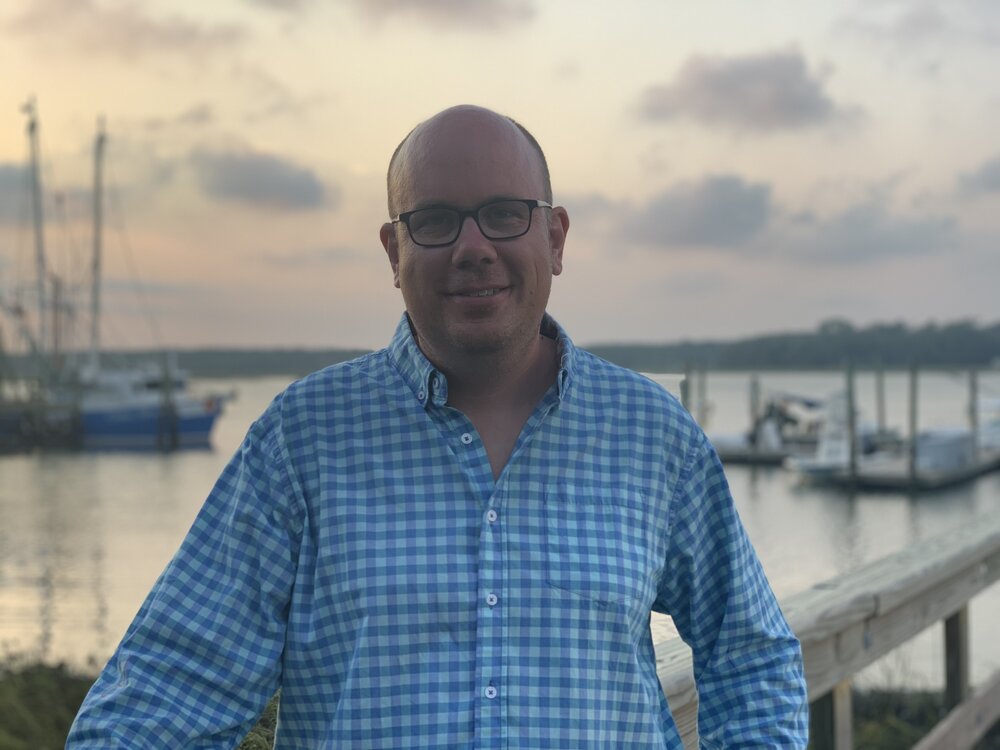
John Salony is an Accredited Business Intermediary who represents owners of privately held companies in confidential sales. The first conversation is confidential, free, and takes about 15 minutes.
Schedule a confidential conversationEmail john@johnsalony.com