Selling a Physical Therapy Business in Charleston, SC — Buyers, Multiples & What to Expect
Physical therapy practices in Charleston, SC are selling at 3.5x-6.0x EBITDA for single-site and small-group operators in 2026, with the most competitive bidding from PE-backed platforms ATI Physical Therapy, Upstream Rehabilitation, FYZICAL, Confluent Health/Pivot, and U.S. Physical Therapy, plus hospital-system acquirers led by MUSC Health, Roper St. Francis Healthcare, and HCA's Trident Health System. Charleston's combination of population growth, strong commercial payer mix tied to high-income in-migration, and the depth of the Lowcountry orthopedic surgeon community makes it one of the best small-to-mid market PT sale environments in the Southeast in 2026.
Charleston PT At a Glance
- Typical Multiple: 3.5x-6.0x EBITDA (single-site/small), 6.0x-7.5x (multi-site)
- Active Buyers: ATI, Upstream, FYZICAL, U.S. PT, MUSC, Roper St. Francis, Trident
- Typical Timeline: 6-9 Months
- Revenue Sweet Spot: $1M-$8M per practice or group
What Makes Charleston's Physical Therapy Market Different?
Three dynamics drive Charleston's PT market. First, the dominance of MUSC Health (the Medical University of South Carolina) as both the largest regional healthcare employer and an active referrer into outpatient PT. MUSC's orthopedic and sports medicine programs generate consistent referral volume across the tri-county area. Second, Roper St. Francis Healthcare and HCA's Trident Health System both run competitive orthopedic service lines, creating a three-system referral environment that feeds independent PT practices. Third, Charleston's in-migration and high commercial-insurance rates (particularly in Mount Pleasant, Daniel Island, James Island, and West Ashley) produce durable volume with favorable payer mix. Combine that with the fact that ATI, Upstream, FYZICAL, and U.S. Physical Therapy all operate in the Charleston market or actively target it, and you get a deeper bidder pool than most similarly sized Southeast metros.
Who Is Buying Physical Therapy Practices in Charleston?
The Charleston buyer pool is unusually deep for a market of its size. ATI Physical Therapy, Upstream Rehabilitation, and U.S. Physical Therapy all actively acquire independent practices in the Lowcountry. FYZICAL Therapy and Balance Centers pursues a franchise-plus-acquisition model and has been active. Confluent Health (Pivot Physical Therapy) targets regional add-ons. On the hospital-system side, MUSC Health periodically acquires independent PT practices when the geography or surgeon referral relationship is right, and Roper St. Francis has been willing to pay competitive multiples for practices that tie into their orthopedic service line. Trident Health System (HCA) acquires selectively. For a typical seller doing $1M-$4M in revenue, a well-run Charleston process generates 8-12 serious buyer indications.
What Do Physical Therapy Practices Actually Sell For in Charleston?
A single-site practice doing $1.5M in revenue and $320K adjusted EBITDA typically clears 3.5x-4.5x, or roughly $1.1M-$1.45M. A two-to-three clinic group with $2.5M-$5M in revenue and $500K-$900K EBITDA clears 4.5x-6.0x, putting most of these businesses in the $2.5M-$5.5M enterprise value range. Practices with 4+ clinics and $1M+ EBITDA can clear 6.0x-7.5x as platform add-ons. The Charleston premium over smaller Southeast metros runs roughly 0.5x of multiple and comes from a combination of commercial payer mix and the multi-system referral environment. Practices with meaningful workers' comp exposure tied to Boeing, Volvo, Mercedes-Benz Vans, and the Port of Charleston employer base carry additional value because that payer source is stable and diversified.
What Do Charleston PT Owners Need to Know Before Selling?
Three market-specific issues matter for Charleston PT owners. First, referral-source mapping to the three major systems — if your practice has a strong MUSC orthopedic surgeon referral relationship but no meaningful Roper or Trident referrals, document that in detail and consider building cross-system exposure before sale, because PE buyers underwrite system-diversified referral books at a premium. Second, non-owner clinician coverage — Charleston's PT clinician market is tighter than Atlanta or Raleigh, and buyers will discount any practice where the owner treats 75%+ of visits. Third, lease structure: Charleston medical office rents have risen meaningfully in Mount Pleasant, Daniel Island, and West Ashley, and any short-term lease (under 5 years with no renewal rights) will be flagged. Charleston owners who prepare 12-18 months in advance consistently clear 0.5x-1.0x higher multiples than those who run a reactive process.
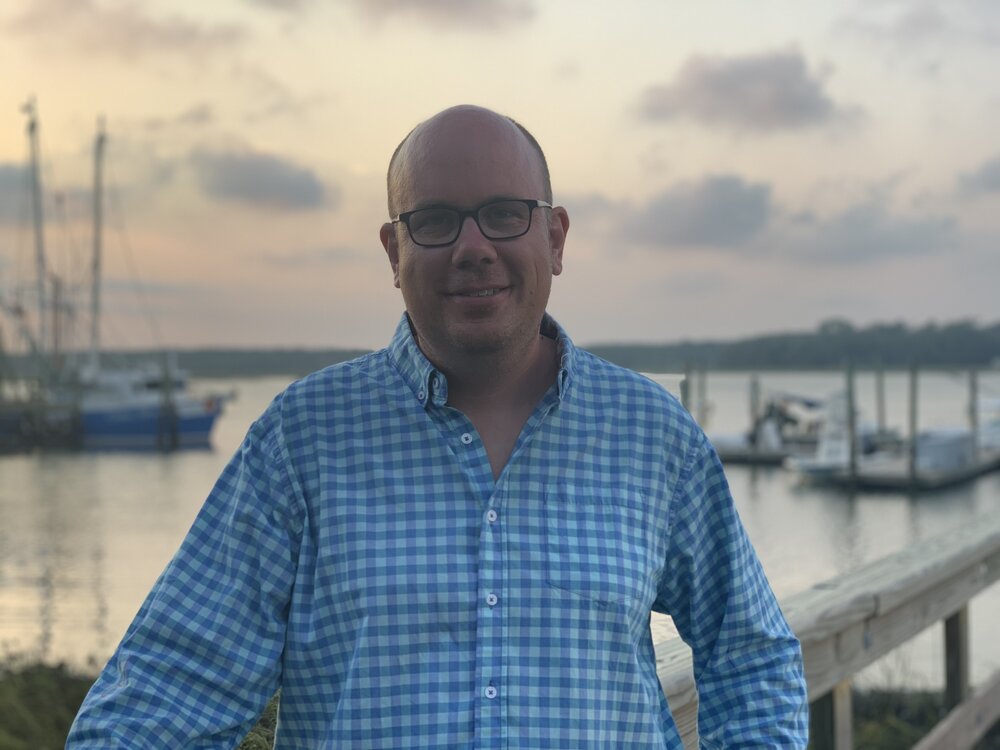
Charleston is one of the cleanest Southeast PT markets to run a process in because the bidder pool is deep enough to create competition but the deals are small enough that owners stay in control of the process. I had a two-clinic Mount Pleasant operator go to market last fall expecting 4.5x and we closed at 5.8x because we had ATI, Upstream, and a Roper-backed affiliate all writing LOIs. The referral-source diversification work we did in the 14 months before the process materially moved the price.
For the Charleston market overview, see my Charleston, SC business-for-sale page. For the industry valuation framework driving these Charleston deal prices, review my physical therapy valuation and M&A guide.